Have you ever dreamed of bringing a touch
of the tropics into your home without leaving your living room? Some
plants seem to come from another world, and yet… they can thrive in your
own home. Provided you know the right technique, the right timing, and
above all, are willing to let time do its work. Because behind this
botanical adventure lies a spice we all know, but rarely imagine alive,
rooted, and growing. What if you discovered a new way of seeing it
today?
Why growing a clove tree at home is becoming increasingly popular
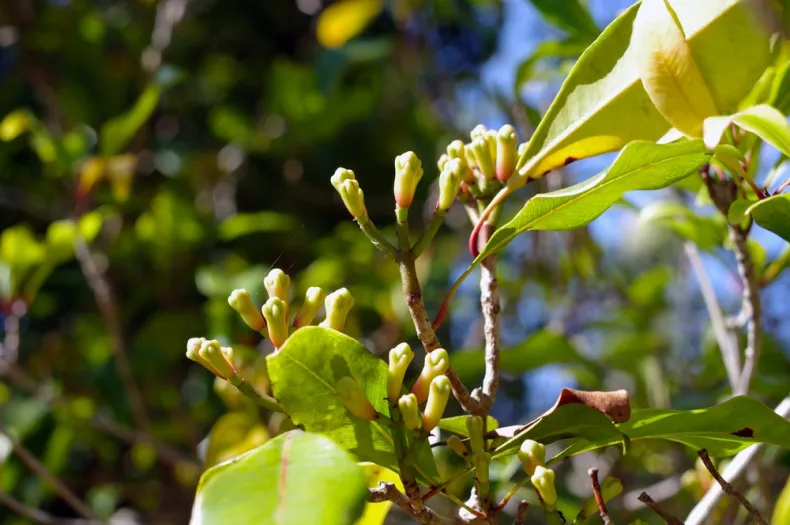
The clove tree is more than just an exotic plant; it’s an invitation
to travel. Its glossy green foliage, delicate fragrance, and slightly
mysterious allure appeal to those who love unconventional gardening.
Grown in a pot, it becomes a decorative companion that’s as pleasing to
the eye as it is to the nose, while also offering the satisfaction of
growing an iconic
yourself—a small, everyday victory.
Recipe book subscription
Choosing the right cloves to maximize the chances
It all starts with choosing the right cloves. Forget about ground or
overly dry ones languishing at the back of a cupboard. To give yourself
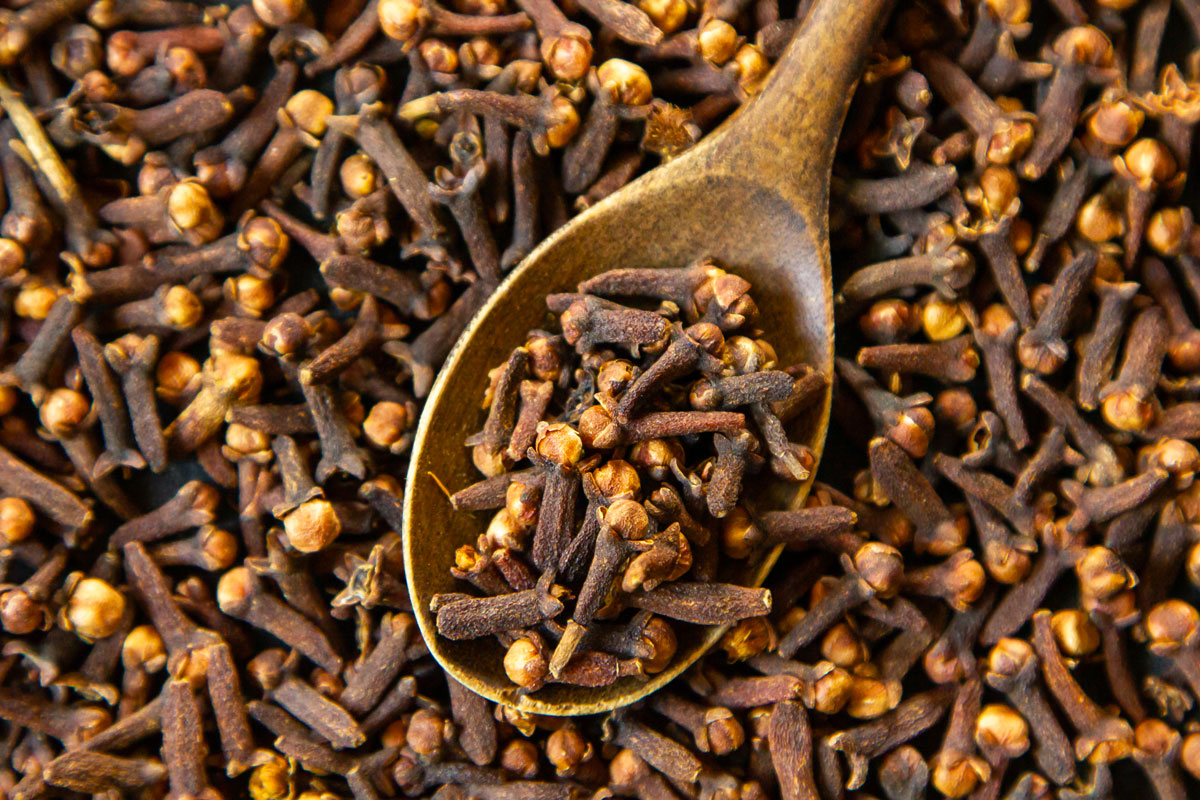
the best chance of success, opt for whole, well-formed cloves with their
flower buds intact. They should be firm, slightly shiny, and give off a
strong aroma. It’s a bit like choosing beautiful fruit at the market:
the initial quality makes all the difference.
A surprising trick to promote germination
Here’s a trick that always intrigues: using a raw potato. By gently
pushing cloves into a slightly damp piece of potato, you create a soft
and nourishing environment. The potato helps maintain constant moisture,
essential for germination, while preventing the cloves from drying out.
Simple, clever, and accessible to everyone, even beginner gardeners.
Create a warm and nurturing environment for the young startup
The clove tree loves warmth and light, but not too much. Place your
clove pot in a bright spot, out of direct sunlight, such as near a sunny
window or on a shaded balcony. The goal is to maintain a stable
temperature, ideally around 20°C (68°F), away from drafts and sudden
temperature changes.
The key moment for stress-free transplanting
When the first roots and small shoots appear, the long-awaited moment
has arrived. Transplanting requires a delicate touch: after gently
removing the potato, transfer the young plant to a small pot filled with
rich, well-aerated potting soil. Take your time, handle it carefully,
and consider this step an almost meditative ritual, where every gesture
counts.
Pot, potting soil and watering: the perfect balance
Choose a fairly deep pot with drainage holes and a layer of clay
pebbles at the bottom to ensure drainage and prevent waterlogging. A
mixture of garden soil and mature compost is ideal. When it comes to
watering, the golden rule is moderation: the soil should remain slightly
moist, never soggy. Touch the surface; if it starts to dry out, you can
water.
Patience, protection, and small acts of kindness.
The clove tree grows slowly, and that’s precisely what makes its
development so rewarding. Protect it from the cold in winter, bringing
it indoors as soon as temperatures drop below 10°C (50°F), and give it
light pruning if necessary to maintain a pleasing shape. In a pot, it
remains compact, decorative, and easy to care for, making it ideal for growing a clove tree in a well-kept home.
Growing a clove tree means accepting to slow down, to observe and to
savor each small step forward as a fragrant promise to come.
White clothing holds a special place in our wardrobes. There’s something undeniably crisp, clean, and timeless about a bright white T-shirt, blouse, or pair of socks.
Cooking class access
Yet, over time, even the most carefully laundered whites often lose their radiance.
Many people assume that fading occurs because
fabrics wear out or because the fibers themselves are weakening. In reality, the culprit is much more insidious: buildup. Understanding Why Whites Turn Dull
Clothes don’t turn gray, yellow, or dull because they age. They turn dull because of what accumulates on them every day. Our modern lives leave traces everywhere, invisible to the eye but tangible to the fabric.
Best clothing retailers Discover more T-shirt Clothes Water acetylsalicylic acid garments towels sock Washing machine towel detergent
Sweat and body oils: Each time you wear a shirt, sweater, or undergarment, your body deposits oils and uric acid.
These residues cling to the fibers and slowly build up. Discover more clothing washer Best clothing retailers Sock Shirt shirt shirts Textile towels Detergent
Deodorant and antiperspirant residues: Aluminum salts in many antiperspirants can leave behind a faint film, particularly on armpits, collars, and cuffs.
Over time, these salts combine with oils and dirt, creating stubborn discoloration.
Hard water deposits: Water high in calcium and magnesium leaves mineral traces on clothing.
Best clothing retailers
Even with repeated washes, these minerals can cling to fibers and dull their appearance.
Incomplete detergent rinsing: Ordinary detergents sometimes fail to rinse completely, leaving tiny amounts of soap behind.
These residues can attract dirt and cause a gradual graying effect.
Over weeks, months, and years, these combined residues form tight bonds with fabric fibers.
They are resistant to ordinary washing, which is why white clothes can appear dingy even immediately after laundering. The solution, surprisingly, may lie in an everyday household item: aspirin. The Role of Aspirin in Whitening Clothes
Aspirin contains acetylsalicylic acid, a compound closely related to salicylic acid, which is known for its ability to break down organic compounds. In laundry, salicylic acid functions as a gentle cleaning agent at the fiber level. It works in several ways:
Penetrates fibers: The acid penetrates deep into fabric, loosening oils and organic residues that ordinary detergents cannot fully remove.
Breaks bonds: It helps break the bond between stubborn stains—such as sweat, body oils, and antiperspirant residues—and the fibers themselves.
Emulsifies residue: Salicylic acid emulsifies residue so that water can rinse it away completely. This process leaves fibers cleaner, softer, and brighter.
Think of it like a subtle facial peel—but for your clothes. It rejuvenates them from the inside out without causing damage when used correctly.
Best clothing retailers How to Use Aspirin in Laundry
Depending on your needs, aspirin can be incorporated into your laundry in three effective ways: Method 1: Brightening a Full Load of Whites
For routine whitening, this is a simple, effective approach:
Crush two to three uncoated aspirin tablets, either 81 mg or 325 mg.
Sprinkle the powdered aspirin directly into the washing machine drum.
Add your usual detergent and start a standard cycle.
Use warm water for best results, as it helps the aspirin dissolve completely and activates its cleaning properties.
This method is ideal for everyday whites, such as T-shirts, pillowcases, towels, and table linens that have gradually lost their brightness. Method 2: Tackling Stubborn Stains
For clothes with deep yellowing, underarm stains, or discoloration due to long-term wear:
Crush four aspirin tablets and dissolve them in one gallon of warm water.
Fully submerge the garment in the solution.
Best clothing retailers
Allow it to soak for 2–6 hours. For severe discoloration, overnight soaking is highly effective.
After soaking, wash as usual with your regular detergent.
This technique works particularly well for sweat rings, collar stains, and fabrics stored for extended periods. Method 3: Boosting Detergent Performance
In regions with hard water or when dealing with heavily used white clothing:
Crush aspirin tablets and mix with powdered detergent before adding it to the washer.
Alternatively, place whole uncoated tablets directly into the detergent dispenser.
This method reinforces your laundry routine, helping to remove mineral deposits, body oils, and
detergent residue more efficiently. Safety and Care Tips
While aspirin is safe for many types of white clothing, it’s important to follow these precautions:
Always use uncoated aspirin, as coated tablets may not dissolve completely and can leave residue.
Avoid using aspirin on delicate silks or wool, as acids can weaken protein-based fibers.
Never mix aspirin with bleach, since the chemical reaction can produce irritating fumes.
Test on colored
fabrics before prolonged use; some dyes may gradually fade.
Store aspirin safely away from children and pets.
It’s worth noting that expired aspirin, while no longer effective for medical purposes, remains perfectly functional as a laundry additive. Why Aspirin Works Better Than Traditional Brighteners
Many commercial stain removers and whitening agents rely on strong chemicals that can weaken fibers over time. Aspirin, by contrast, operates at a molecular level, loosening and emulsifying buildup without harsh abrasion or bleaching.
The result is not only visually brighter clothing but also fibers that feel softer and more flexible—helpful for items like T-shirts, towels, and sheets.
Best clothing retailers
Moreover, aspirin is an inexpensive, accessible alternative. While professional-grade detergents and brighteners can be costly, a few aspirin tablets can treat multiple loads effectively.
It’s a simple, eco-friendly approach that avoids harsh chemicals, reduces excess packaging, and leverages a household item many already have on hand. Step-by-Step Routine for Maximum Brightness
For those aiming to restore whites to their original brilliance, the following routine incorporates aspirin effectively:
Pre-soak: For especially dingy garments, dissolve four aspirin tablets in warm water and soak overnight.
Standard wash: Add powdered aspirin to the drum with detergent for the main wash cycle.
Warm water: Use a warm wash to fully activate the aspirin, but avoid hot water on delicate fibers.
Rinse thoroughly: Ensure all residue is removed to prevent new buildup.
Dry carefully: Air drying is preferable for long-term fiber health, though low-heat machine drying is acceptable. Long-Term Care Tips
To keep whites looking their best over time:
Lift, don’t drag: Avoid sliding pots, utensils, or folded clothing across white garments to prevent embedded dirt and fibers from wearing down.
Quickly remove stains: Treat spills immediately. Sugary or acidic substances can etch fibers and create permanent discoloration.
Check cookware and items near clothing: Residues from metals, detergents, or even jewelry can affect whites.
Best clothing retailers
Use flat-bottomed, clean surfaces: Prevent rubbing against rough materials that may transfer oils or debris. Beyond Cleaning: The Philosophy of Care
Restoring the brightness of white clothing is not just about aesthetics; it’s a practice of attention and mindfulness.
Each T-shirt, blouse, or pillowcase carries memories and practical value. In caring for these garments, you honor the labor, thought, and everyday life embedded in the fabric.
The use of aspirin in laundry also reflects a larger principle: solutions do not always require complexity. Sometimes, a humble, overlooked item can provide extraordinary results when applied thoughtfully.
In this case, a medicine designed to alleviate pain transforms into a gentle agent of renewal for textiles. A Moment of Gratitude in Routine
There is something quietly profound about folding freshly whitened clothes. Each shirt, sock, or towel embodies effort, patience, and care.
Aspirin may seem mundane, but its effect—lifting years of invisible buildup and restoring brilliance—feels almost miraculous. The routine becomes more than a chore; it becomes a celebration of life’s small victories.
By using aspirin in laundry, you honor the history of a garment, the hands that launder it, and the care that makes life smoother, more beautiful, and more intentional.
You acknowledge that true maintenance—whether of clothes, relationships, or self—requires consistent, gentle attention over time. Final Thought
White clothing doesn’t fade merely because it ages. It fades because of the residues and the unspoken wear of daily life. Yet with a little curiosity, care, and a simple household item, it is possible to restore brilliance.
Best clothing retailers
Aspirin offers a gentle, effective, and affordable way to renew fabrics, making them feel fresh, soft, and alive again.
In that restored whiteness, there is more than just cleanliness. There is patience, love, and a connection to tradition—a nod to the wisdom passed down quietly through generations.
Every carefully washed and folded
shirt becomes a testament to mindful living, a tribute to attention paid in small gestures, and a celebration of life’s quieter victories.
Because sometimes the greatest impact is hidden in the smallest details—a crushed tablet, a gentle soak, a brightened T-shirt—and in that moment, you know you are doing more than cleaning. You are honoring care itself.
White clothing holds a special place in our wardrobes. There’s something undeniably crisp, clean, and timeless about a bright white T-shirt, blouse, or pair of
socks.
Yet, over time, even the most carefully laundered whites often lose their radiance.
Many people assume that fading occurs because
fabrics wear out or because the fibers themselves are weakening. In reality, the culprit is much more insidious: buildup. Understanding Why Whites Turn Dull
Clothes don’t turn gray, yellow, or dull because they age. They turn dull because of what accumulates on them every day. Our modern lives leave traces everywhere, invisible to the eye but tangible to the fabric.
Sweat and body oils: Each time you wear a shirt, sweater, or undergarment, your body deposits oils and uric acid.
These residues cling to the fibers and slowly build up.
Deodorant and antiperspirant residues: Aluminum salts in many antiperspirants can leave behind a faint film, particularly on armpits, collars, and cuffs.
Over time, these salts combine with oils and dirt, creating stubborn discoloration.
Hard water deposits: Water high in calcium and magnesium leaves mineral traces on clothing.
Best clothing retailers
Even with repeated washes, these minerals can cling to fibers and dull their appearance.
Incomplete detergent rinsing: Ordinary detergents sometimes fail to rinse completely, leaving tiny amounts of soap behind.
These residues can attract dirt and cause a gradual graying effect.
Over weeks, months, and years, these combined residues form tight bonds with fabric fibers.
They are resistant to ordinary washing, which is why white clothes can appear dingy even immediately after laundering. The solution, surprisingly, may lie in an everyday household item: aspirin. The Role of Aspirin in Whitening Clothes
Aspirin contains acetylsalicylic acid, a compound closely related to salicylic acid, which is known for its ability to break down organic compounds. In laundry, salicylic acid functions as a gentle cleaning agent at the fiber level. It works in several ways:
Penetrates fibers: The acid penetrates deep into fabric, loosening oils and organic residues that ordinary detergents cannot fully remove.
Breaks bonds: It helps break the bond between stubborn stains—such as sweat, body oils, and antiperspirant residues—and the fibers themselves.
Emulsifies residue: Salicylic acid emulsifies residue so that water can rinse it away completely. This process leaves fibers cleaner, softer, and brighter.
Think of it like a subtle facial peel—but for your clothes. It rejuvenates them from the inside out without causing damage when used correctly.
Best clothing retailers How to Use Aspirin in Laundry
Depending on your needs, aspirin can be incorporated into your laundry in three effective ways: Method 1: Brightening a Full Load of Whites
For routine whitening, this is a simple, effective approach:
Crush two to three uncoated aspirin tablets, either 81 mg or 325 mg.
Sprinkle the powdered aspirin directly into the washing machine drum.
Add your usual detergent and start a standard cycle.
Use warm water for best results, as it helps the aspirin dissolve completely and activates its cleaning properties.
This method is ideal for everyday whites, such as T-shirts, pillowcases, towels, and table linens that have gradually lost their brightness. Method 2: Tackling Stubborn Stains
For clothes with deep yellowing, underarm stains, or discoloration due to long-term wear:
Crush four aspirin tablets and dissolve them in one gallon of warm water.
Fully submerge the garment in the solution.
Best clothing retailers
Allow it to soak for 2–6 hours. For severe discoloration, overnight soaking is highly effective.
After soaking, wash as usual with your regular
detergent.
This technique works particularly well for sweat rings, collar stains, and fabrics stored for extended periods. Method 3: Boosting Detergent Performance
In regions with hard water or when dealing with heavily used white clothing:
Crush aspirin tablets and mix with powdered detergent before adding it to the washer.
Alternatively, place whole uncoated tablets directly into the detergent dispenser.
This method reinforces your laundry routine, helping to remove mineral deposits, body oils, and detergent residue more efficiently. Safety and Care Tips
While aspirin is safe for many types of white clothing, it’s important to follow these precautions:
Always use uncoated aspirin, as coated tablets may not dissolve completely and can leave residue.
Avoid using aspirin on delicate silks or wool, as acids can weaken protein-based fibers.
Never mix aspirin with bleach, since the chemical reaction can produce irritating fumes.
Test on colored
fabrics before prolonged use; some dyes may gradually fade.
Store aspirin safely away from children and pets.
It’s worth noting that expired aspirin, while no longer effective for medical purposes, remains perfectly functional as a laundry additive. Why Aspirin Works Better Than Traditional Brighteners
Many commercial stain removers and whitening agents rely on strong chemicals that can weaken fibers over time. Aspirin, by contrast, operates at a molecular level, loosening and emulsifying buildup without harsh abrasion or bleaching.
The result is not only visually brighter clothing but also fibers that feel softer and more flexible—helpful for items like T-shirts, towels, and sheets.
Best clothing retailers
Moreover, aspirin is an inexpensive, accessible alternative. While professional-grade detergents and brighteners can be costly, a few aspirin tablets can treat multiple loads effectively.
It’s a simple, eco-friendly approach that avoids harsh chemicals, reduces excess packaging, and leverages a household item many already have on hand. Step-by-Step Routine for Maximum Brightness
For those aiming to restore whites to their original brilliance, the following routine incorporates aspirin effectively:
Pre-soak: For especially dingy garments, dissolve four aspirin tablets in warm water and soak overnight.
Standard wash: Add powdered aspirin to the drum with detergent for the main wash cycle.
Warm water: Use a warm wash to fully activate the aspirin, but avoid hot water on delicate fibers.
Rinse thoroughly: Ensure all residue is removed to prevent new buildup.
Dry carefully: Air drying is preferable for long-term fiber health, though low-heat machine drying is acceptable. Long-Term Care Tips
To keep whites looking their best over time:
Lift, don’t drag: Avoid sliding pots, utensils, or folded clothing across white garments to prevent embedded dirt and fibers from wearing down.
Quickly remove stains: Treat spills immediately. Sugary or acidic substances can etch fibers and create permanent discoloration.
Check cookware and items near clothing: Residues from metals, detergents, or even jewelry can affect whites.
Best clothing retailers
Use flat-bottomed, clean surfaces: Prevent rubbing against rough materials that may transfer oils or debris. Beyond Cleaning: The Philosophy of Care
Restoring the brightness of white clothing is not just about aesthetics; it’s a practice of attention and mindfulness.
Each T-shirt, blouse, or pillowcase carries memories and practical value. In caring for these garments, you honor the labor, thought, and everyday life embedded in the fabric.
The use of aspirin in laundry also reflects a larger principle: solutions do not always require complexity. Sometimes, a humble, overlooked item can provide extraordinary results when applied thoughtfully.
In this case, a medicine designed to alleviate pain transforms into a gentle agent of renewal for textiles. A Moment of Gratitude in Routine
There is something quietly profound about folding freshly whitened clothes. Each shirt, sock, or towel embodies effort, patience, and care.
Aspirin may seem mundane, but its effect—lifting years of invisible buildup and restoring brilliance—feels almost miraculous. The routine becomes more than a chore; it becomes a celebration of life’s small victories.
By using aspirin in laundry, you honor the history of a
garment, the hands that launder it, and the care that makes life smoother, more beautiful, and more intentional.
You acknowledge that true maintenance—whether of clothes, relationships, or self—requires consistent, gentle attention over time. Final Thought
White clothing doesn’t fade merely because it ages. It fades because of the residues and the unspoken wear of daily life. Yet with a little curiosity, care, and a simple household item, it is possible to restore brilliance.
Best clothing retailers
Aspirin offers a gentle, effective, and affordable way to renew fabrics, making them feel fresh, soft, and alive again.
In that restored whiteness, there is more than just cleanliness. There is patience, love, and a connection to tradition—a nod to the wisdom passed down quietly through generations.
Every carefully washed and folded
shirt becomes a testament to mindful living, a tribute to attention paid in small gestures, and a celebration of life’s quieter victories.
Because sometimes the greatest impact is hidden in the smallest details—a crushed tablet, a gentle soak, a brightened T-shirt—and in that moment, you know you are doing more than cleaning. You are honoring care itself.
Did you know that over 80% of women over 50 report visible signs of
aging like deep wrinkles, sagging, and loss of firmness as their top
skin concern, according to a recent survey by the American Academy of
Dermatology?
Cooking class access
Imagine waking up, looking in the mirror, and seeing skin that’s
visibly smoother, plumper, and glowing—like the clock turned back 10
years. Feel your fingertips glide over cheeks that bounce back instead
of crease.
Rate yourself right now on a scale of 1–10: How firm and hydrated does your facial skin feel this morning? Hold that number.
As someone over 50, have you ever caught your reflection and felt a
pang of disappointment at those deepening lines around your eyes and
mouth? What if two ordinary kitchen and bathroom staples—an egg yolk and
plain Vaseline—could potentially transform your skin overnight?
Stick around as we uncover 15 compelling reasons why this classic
night mask is quietly becoming the go-to ritual for women who want
plumper, younger-looking skin without expensive treatments. You’ll be
amazed by the science, the stories, and the visible changes.
The Silent Skin Changes That Steal Confidence After 50
Turning 50 often means facing unexpected hurdles with your
skin—collagen production drops up to 30%, moisture barrier weakens, and
years of sun and stress finally show. Studies show women lose about 1–2%
of collagen per year after menopause.
It’s frustrating when you smile in photos, only to notice deep creases that stay long after the smile fades—sound familiar?
But it’s not just lines—loss of elasticity can lead to sagging jowls,
hollow cheeks, and a tired appearance that no concealer fully hides.
Consequence stacking turns “a few wrinkles” into feeling invisible or
older than you are.
Have you paused to assess your skin’s plumpness on a scale of 1–5
when you gently pinch your cheek? If it’s below 3, you’re not alone.
You’ve probably tried hyaluronic acid serums, retinol creams,
collagen powders, or even considered fillers—but here’s why they often
fall short: Many are expensive, irritating, or deliver only temporary
surface results.
Transition hook: But what if I told you there’s a completely
different, ultra-affordable approach using ingredients you likely
already have? The excitement is just beginning.
You know that feeling when foundation settles into wrinkles instead
of smoothing them? Ever had that moment when a friend says “You look
tired” even after a good night’s sleep?
Picture this: You’re 62, still active and social, but by evening events, your skin looks dry and crepey under lights.
STOP—before you continue, rate your confidence in bare-faced skin on a scale of 1–10. Hold that number.
The Magic Behind Egg Yolk + Vaseline: Nature’s Overnight Plumping Duo
Egg yolks are rich in lipids, vitamins A, D, E, and
lecithin—compounds that research suggests may support skin barrier
repair and hydration. Vaseline (petrolatum) is an occlusive that locks
in moisture, creating the perfect environment for those nutrients to
absorb deeply overnight.
Dermatology studies confirm petrolatum is one of the most effective
moisturizers for compromised skin barriers. Combined with yolk’s fatty
acids, it mimics the skin’s natural lipids.
Quick mental exercise: Imagine applying a silky mask, falling asleep,
and waking to noticeably softer, fuller skin. Feels luxurious, right?
Meet Barbara, a 65-year-old retired librarian from Ohio—my own mom.
Her deep nasolabial folds and crepey neck left her avoiding video calls.
“I felt like I’d aged overnight,” she told me. Then she tried the egg
yolk and Vaseline mask 3 nights a week. The rich, velvety texture felt
indulgent. Within 10 days, her skin looked dewier. By week four, friends
asked if she’d had fillers. But here’s what surprised everyone: Her
fine lines softened dramatically.
Science supports lipid replenishment for plumper appearance.
Barbara’s firmness rating went from 3/10 to 8/10. But wait until you see what comes next…
You’re in the top 40% of committed readers—keep going.
Benefit 1: Intense Overnight Hydration Lock
Dry, crepey skin making makeup impossible? Vaseline seals in moisture like nothing else.
Studies show petrolatum reduces transepidermal water loss by over 98%.
Self-check: Rate your morning skin hydration 1–10.
Benefit 12: Budget-Friendly Alternative to Spa Treatments
Expensive facials draining wallet? This costs pennies.
Only 3 left—don’t stop now!
Pro strategy: Apply on clean, slightly damp skin for deeper absorption.
Your 30-Day Plumping Mask Timeline
Week
Frequency
Potential Visible Changes
1
2–3 nights
Softer, more hydrated feel
2-3
3–5 nights
Fine lines soften, glow emerges
4+
3–4 nights ongoing
Noticeable plumpness & firmness
Bookmark this!
Benefit 13: Confidence Boost from Visible Results
Feeling older than you are? Compliments roll in.
Benefit 14: Simple, 2-Ingredient Ritual
Complicated routines overwhelming? Just mix and apply.
Benefit 15: Long-Term Skin Barrier Strength
Ultimate transformation? Healthier, more resilient skin.
You’ve unlocked all 15—top 1% territory!
Advanced Tips for Even Better Results
Tip
How to Do It
Why It Helps
Fresh organic yolks
Use within days
Higher nutrient content
Thin layer only
Pea-sized Vaseline + 1 yolk
Prevents heaviness
Morning cleanse
Gentle wash with cool water
Removes residue, reveals glow
Game-changing secret: Apply after a warm shower—open pores absorb better.
Imagine 30 days from now: Smoother, plumper skin that makes you smile at your reflection. Makeup optional. Compliments constant.
Cost of inaction: Deeper lines, more self-consciousness vs. reward: Youthful, confident glow.
Thousands of women are rediscovering this old-school ritual—join them.
Share this with a friend who’s frustrated with her skin.
P.S. Final insider tip: For extra de-puffing, refrigerate the mixture 10 minutes before applying.
Try it tonight—just one application.
This article is for informational purposes only and does not replace
professional medical advice. While egg yolk and Vaseline may support
skin hydration and appearance, individual results vary. Patch test first
and consult your dermatologist, especially if you have sensitive skin
or allergies.