Tuesday, December 23, 2025

Still eating salmon? You might want to think twice

by


Still Eating Salmon? You Might Want to Think Twice — and Cook It Smarter

Salmon is often praised as a “superfood.” It’s rich in protein, omega-3 fats, and important nutrients. But before you add it to your plate without a second thought, it’s worth knowing that how you choose and prepare salmon matters just as much as eating it.

This doesn’t mean you should stop eating salmon altogether—it means you should eat it more wisely.

What Many People Don’t Know About Salmon

1. Not All Salmon Is the Same
Some salmon is wild-caught, while others are farm-raised. The difference can affect taste, texture, and nutritional value. Knowing the source helps you make better choices.

2. Improper Cooking Can Ruin Its Benefits
Overcooking salmon can destroy healthy fats and leave it dry, while undercooking can increase food safety risks. Proper cooking temperature is key.

3. Hidden Ingredients Matter
Many salmon recipes rely on heavy sauces, excess salt, or deep frying, which can cancel out its natural health benefits.

4. Storage Makes a Big Difference
Salmon spoils faster than many other proteins. If it isn’t stored or handled correctly, freshness and safety can quickly decline.

Smarter Ways to Enjoy Salmon

Instead of giving it up, try preparing salmon in ways that protect its nutrients and flavor:

Bake or grill with light seasoning

Pair it with vegetables instead of heavy sauces

Use herbs, lemon, or olive oil for flavor

Avoid overcooking—salmon should be tender, not dry

When to Be Careful

If salmon smells overly strong, feels slimy, or looks dull instead of bright, it’s best not to use it. Freshness is essential for both taste and safety.

Final Thought

Salmon can be a great addition to your meals—but only when you’re informed. Choosing quality ingredients and cooking them the right way makes all the difference.

So yes, still eat salmon—but think twice about how you prepare it.

Monday, December 22, 2025

My nana used to make this in huge batches and gift them to neighbors in mason jars! Now I’m doing the same

by


Ingredients
1 cup fresh strawberries, hulled and halved
1 cup granulated sugar (or to taste)
4 black tea bags, preferably Orange Pekoe or other robust black tea
1 gallon of water, divided
Fresh mint leaves for garnish (optional)
Lemon slices for garnish (optional)

Preparation
1. In a small pot, combine half a cup of water and sugar. Bring to a simmer over medium heat, stirring until the sugar dissolves completely.
2. Add the strawberries to the syrup and return to a simmer, then reduce heat and let the mixture cook for about 10 minutes, until the strawberries are soft and have released their color.

3. Meanwhile, bring 4 cups of water to a rolling boil in a large pot. Remove from heat, add the tea bags, and steep for 5-7 minutes, depending on how strong you like your tea. Remove the tea bags and discard them.
4. With a fine mesh strainer, strain the strawberry syrup into the tea, pressing on the solids to extract as much liquid as possible.

5. Add the remaining cold water to the tea and strawberry mixture, then chill in the refrigerator until it’s thoroughly cold.

6. Serve over ice, garnished with fresh mint leaves and lemon slices if desired.
Variations & Tips

5 Common Myths About Sleeping With Wet Hair

by


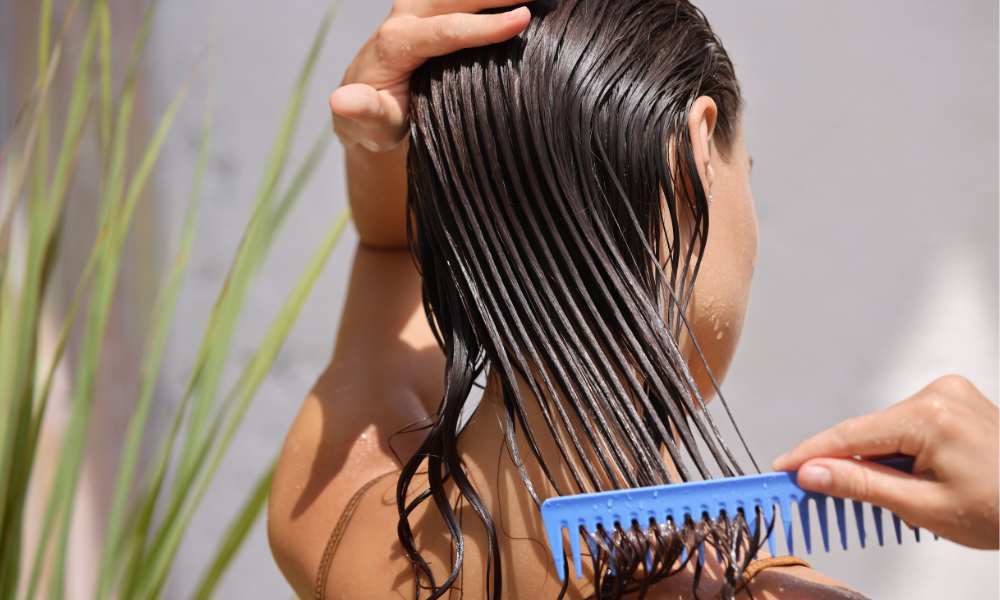
We’ve all been there — finishing a late-night shower, too tired to blow-dry, and thinking, “It’s just water, what harm could it do?” But over the years, several myths about sleeping with wet hair have made many of us second-guess our bedtime habits. So, let’s clear the air!

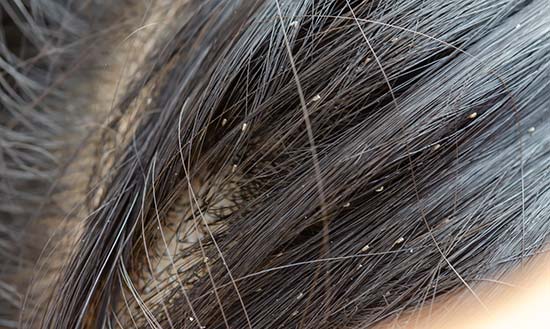
❌ Myth 1: Wet hair causes lice

Fact:

Head lice are not caused by wet hair. They are parasites that spread through close contact with someone who already has them, or by sharing personal items like combs or hats.
Sleeping with wet hair won’t magically attract lice — but sharing a pillow with someone who has lice might.

❌ Myth 2: It’s totally harmless


Fact:


  • Sleeping with wet hair may seem harmless, but it can lead to real issues:
  • A damp scalp creates a perfect environment for fungus and bacteria.
  • It can worsen conditions like dandruff or seborrheic dermatitis.
  • Wet hair is weaker, so it’s more prone to breakage, tangling, and split ends.

❌ Myth 3: Air-drying overnight is better than using a blow dryer

Fact:

  • While too much heat can damage hair, leaving hair wet overnight isn’t necessarily better. Air-drying while you sleep means your hair stays damp for hours — and that prolonged moisture weakens hair strands and your scalp’s natural balance.
  • The best option? Gently towel-dry, then use a blow dryer on a cool or low heat setting before bed.

❌ Myth 4: Only long hair is affected

Fact:

Nope — this applies to all hair lengths and types. Whether you have short curls or long, straight strands, the risks are similar. Scalp health is the main concern here, and it doesn’t discriminate based on your haircut.

❌ Myth 5: Tying up wet hair keeps it under control

Fact:

ADVERTISEMENT

  • It might look like a neat solution, but tying up wet hair can actually make things worse. Wet hair swells and is more elastic, so when it’s pulled tight, it’s more likely to snap and cause breakage.
  • Plus, tight hairstyles while sleeping can cause tension on the roots, leading to long-term hair thinning.

✅ So what should you do?

If you must wash your hair at night:

  • Use a microfiber towel to absorb excess water.
  • Dry it at least 80% before going to bed.
  • Consider using a silk pillowcase to reduce friction.
  • Sleep with hair down or in a loose braid — never tight.

💬 Final Thoughts:

Sleeping with wet hair won’t give you lice, but it can damage your hair and scalp over time. Understanding the facts helps you build healthier habits — and your hair will thank you for it.

ADVERTISEMENT

Adoring the Retro Allure of Vintage Objects

by


Adoring the Retro Allure of Vintage Objects

In a world driven by speed, upgrades, and the constant promise of the “next new thing,” there is something quietly powerful about vintage objects. They sit outside the rush of modern life, whispering stories of another time—one shaped by patience, craftsmanship, and intentional design. Vintage objects are not merely old possessions; they are cultural artifacts, emotional anchors, and bridges between generations.

The growing fascination with vintage items—whether clothing, furniture, cameras, records, or household tools—reflects more than nostalgia. It reveals a collective desire to reconnect with authenticity, sustainability, and meaning in an increasingly digital age. To adore the retro allure of vintage objects is to appreciate their imperfections, their histories, and their ability to slow us down.

This blog explores why vintage objects continue to captivate us, what makes them special, and how they enrich our lives far beyond their practical use.


Understanding What “Vintage” Really Means

The term vintage is often used loosely, but its meaning is more nuanced than simply “old.” Traditionally, an object is considered vintage if it is at least 20 to 100 years old, representing the style, materials, and cultural context of its era. Unlike antiques, which usually refer to items over 100 years old, vintage pieces occupy a sweet spot between the past and the present.

Vintage objects are time capsules. They reflect the aesthetics, values, and technologies of the era in which they were made. A rotary telephone, for example, tells a story about communication before instant messaging. A vinyl record reflects not only a format of music but a ritual—placing the needle, flipping the disc, listening with intention.

What sets vintage apart from mass-produced modern goods is character. Each scratch, faded label, or worn handle adds to the object’s identity rather than detracting from it.


Nostalgia: The Emotional Core of Vintage Appeal

One of the strongest forces behind the love for vintage objects is nostalgia. Even for people who did not live through the era an item comes from, vintage pieces evoke a sense of familiarity and comfort. They remind us of grandparents’ homes, old photographs, classic movies, or simpler routines.

Nostalgia is not just about longing for the past—it’s about emotional connection. Holding a vintage object can feel grounding, especially in uncertain times. It provides reassurance that life existed before constant notifications and that beauty once emerged from slower, more deliberate processes.

For many, vintage items become emotional anchors. A mechanical watch passed down through a family, a typewriter found at a flea market, or a well-worn cookbook filled with handwritten notes can carry deep sentimental value that no new item can replicate.


Craftsmanship That Stands the Test of Time

One of the most admired qualities of vintage objects is their craftsmanship. Before mass automation and cost-cutting dominated production, many items were made by skilled hands using durable materials. Wood, metal, glass, leather—these elements were chosen to last.

Vintage furniture, for instance, often features solid wood construction, dovetail joints, and hand-finished surfaces. Vintage clothing showcases careful stitching, natural fibers, and attention to fit. Even everyday objects like kitchen tools or lamps were built with longevity in mind.

This craftsmanship creates a sense of trust. When you pick up a vintage item, you can often feel its weight, balance, and solidity. It was made to be used, repaired, and cherished—not discarded after a short lifespan.

In an era where planned obsolescence is common, vintage objects remind us that durability is both practical and beautiful.


The Aesthetic Language of the Past

Each decade has its own visual language, and vintage objects are fluent in it. The clean geometry of mid-century modern furniture, the ornate detailing of Victorian décor, the playful colors of the 1950s, and the bold experimentation of the 1970s all speak to the creative spirit of their times.

Vintage aesthetics often feel more expressive than modern minimalism. Patterns, textures, and colors were used boldly, sometimes extravagantly. These design choices were not afraid to make a statement.

In contemporary spaces, vintage objects add depth and contrast. A retro lamp in a modern living room or a classic record player on a sleek shelf introduces warmth and personality. Rather than clashing, old and new often enhance each other.

This blending of eras allows individuals to create unique environments that reflect personal taste rather than following trends.


Vintage as a Form of Sustainable Living

Beyond beauty and nostalgia, vintage objects play an important role in sustainability. Choosing vintage is a form of recycling—extending the life of an item and reducing demand for new production.

Fast fashion and disposable consumer culture have significant environmental impacts. Vintage clothing, furniture, and accessories offer an alternative that is both eco-friendly and stylish. When you buy vintage, you are not contributing to resource extraction or factory emissions—you are preserving what already exists.

Repairing and repurposing vintage objects also encourages a mindset of care rather than replacement. Learning how to maintain an old camera, restore a wooden chair, or clean a mechanical watch fosters respect for materials and labor.

In this way, vintage appreciation becomes an ethical choice as much as an aesthetic one.


The Joy of the Hunt

Part of the charm of vintage objects lies in how they are found. Unlike online shopping, where items are instantly available, vintage hunting requires patience and curiosity. Flea markets, thrift stores, estate sales, and antique shops become spaces of discovery.

There is excitement in not knowing what you will find. A single visit might uncover a rare book, a retro jacket, or a piece of décor that feels meant just for you. These moments of discovery create a personal story around each object.

The hunt also encourages learning. Vintage enthusiasts often research makers, eras, and materials to better understand their finds. Over time, this knowledge deepens appreciation and turns collecting into a meaningful hobby rather than simple consumption.


Vintage Objects as Storytellers

Every vintage object has lived a life before reaching you. It may have belonged to someone else, traveled through different homes, or witnessed historical moments. Even without knowing its exact past, you can sense that it has a story.

A suitcase with worn corners suggests journeys taken. A fountain pen hints at letters written by hand. A dining table bears marks from countless shared meals. These silent stories add richness to everyday life.

Some collectors actively seek out objects with known histories—items with maker’s marks, inscriptions, or documented origins. Others enjoy imagining the possibilities. Either way, vintage objects invite storytelling, both real and imagined.

They remind us that objects are not just functional—they are participants in human experience.


Fashion and Identity Through Vintage Clothing

Vintage fashion holds a special place in the retro revival. Clothing from past decades allows individuals to explore identity beyond current trends. A vintage outfit can feel expressive, distinctive, and deeply personal.

Older garments often feature unique cuts, patterns, and fabrics that are rare today. Wearing vintage becomes a way to stand out while honoring the creativity of the past. It also encourages mindful consumption—choosing pieces intentionally rather than impulsively.

Vintage fashion also challenges rigid beauty standards. Different eras celebrated different silhouettes and styles, offering alternatives to modern norms. This diversity allows people to experiment and find what truly resonates with them.

Importantly, vintage clothing connects fashion to history. Wearing a piece from another time is like carrying a fragment of that era into the present.


Technology with Soul: Vintage Gadgets

In an age of touchscreens and software updates, vintage technology feels refreshingly tangible. Mechanical cameras, analog radios, cassette players, and typewriters invite interaction rather than automation.

These devices often require skill and attention. A film camera asks you to consider each shot. A record player encourages active listening. A typewriter makes you think before you type, as mistakes are not easily erased.

This slower pace fosters mindfulness. Vintage technology turns everyday tasks into experiences rather than shortcuts.

Many people find joy in restoring and using these devices, appreciating the engineering and design that went into them. They remind us that technology can be functional and soulful at the same time.


The Personal Meaning of Collecting

For some, vintage appreciation becomes collecting—a focused pursuit of specific objects, eras, or makers. Collecting is not about accumulation alone; it is about connection.

Collectors often describe their collections as reflections of their interests, values, and personalities. Whether it’s postcards, watches, ceramics, or books, each item adds to a larger narrative.

Collecting also builds community. Vintage fairs, online forums, and local shops bring enthusiasts together to share knowledge and passion. These interactions transform objects into social bridges.

At its best, collecting is not about ownership, but stewardship—preserving pieces of history for future appreciation.


Integrating Vintage into Modern Life

One of the most beautiful aspects of vintage objects is their adaptability. They do not need to be locked away or displayed behind glass. Vintage items can be used, worn, and lived with every day.

A retro desk can become a study space. Vintage dishes can be used for family meals. An old clock can mark time in a new home. These integrations keep objects alive and relevant.

Mixing vintage with modern elements creates balance. It prevents spaces from feeling overly nostalgic or overly sterile. Instead, it results in environments that feel layered, human, and authentic.

Living with vintage is about harmony between past and present.


Why Vintage Will Always Matter

Trends come and go, but vintage endures. Its appeal lies not in novelty, but in meaning. Vintage objects remind us that time adds value, that imperfections tell stories, and that beauty does not need to be new to be powerful.

In a fast-changing world, vintage offers continuity. It teaches patience, appreciation, and respect for what already exists. It invites us to slow down, look closer, and listen—to materials, to history, and to ourselves.

Adoring the retro allure of vintage objects is not about living in the past. It is about carrying the best of the past forward—thoughtfully, sustainably, and with heart.


Final Thoughts

Vintage objects are more than décor or collectibles. They are reminders of human creativity, resilience, and connection. Whether you own one cherished piece or an entire collection, each vintage object enriches life with depth and story.

In choosing vintage, we choose meaning over convenience, character over perfection, and history over haste. And in doing so, we discover that sometimes, looking back helps us move forward.

Massive Creek Discovery Leaves Everyone Speechless!

by


This massive steel ball originates from a time when industrial strength and human innovation were the cornerstones of progress. These spheres were once indispensable components of large grinding mills, playing a critical role in transforming raw minerals and ores into fine powder—a material that fueled factories, powered construction projects, and contributed directly to the rapid growth and modernization of society. Each steel orb embodied both brute force and precision, quietly enabling entire industries to flourish.

Within the confines of ball mills, these enormous spheres acted as tireless, silent workhorses. Each strike they delivered crushed, ground, and pulverized the raw materials with astonishing power, performing a task that demanded both consistency and resilience. For the workers overseeing them, the balls were not merely inanimate objects; they represented the tangible results of human ingenuity, a tool that could transform raw, unrefined earth into something extraordinarily useful and versatile. They were the hidden engines behind countless everyday conveniences, from the cement beneath our streets to the metals integrated into the tools, vehicles, and machinery that define modern life.

The Sound of Progress
Inside these mills, the environment was filled with a constant, deafening rhythm: metal striking metal in a relentless, unbroken cadence. That crashing, echoing sound became a soundtrack of industrial advancement, each impact marking the steady forward motion of society itself. The grinding and pounding carried with it both destruction and creation, breaking down raw earth only to produce materials that would form the foundations of modern civilization. Without the tireless work of these massive steel spheres, much of the infrastructure that underpins daily life—roads, bridges, buildings, and industrial machinery—would never have been possible.

Engines of Transformation
During the Industrial Revolution, ball mills and their massive steel components became emblematic of progress. They did more than just grind materials; they literally shaped the building blocks of burgeoning cities. Steel beams, foundational concrete, bridges, and other structures rose from the meticulous work of these mills, standing as enduring monuments to both industrial innovation and the human labor that drove it. Each sphere, through countless hours of impact, contributed to a transformation of raw resources into the framework of society itself.

A Legacy in Steel
As technological advancements emerged, innovations eventually rendered these giant steel balls less critical. New machinery, automation, and more efficient processes replaced the labor-intensive grinding methods that once relied on such raw brute force. Yet today, many of these steel spheres remain, abandoned and slowly rusting, silently marking the passage of time. They rest in quiet fields or industrial ruins, weathered and worn, serving as tangible reminders of an era defined by relentless labor, human ingenuity, and the drive to build a modern world from the raw materials of the earth.

This weathered sphere is far more than discarded machinery—it is a tribute to the generations of workers who toiled in the mills, to the ceaseless innovation that propelled society forward, and to the relentless human drive to convert raw potential into enduring structures, tools, and technologies. It stands as a monument to progress, reminding us that even the simplest objects, when harnessed with skill and determination, can shape the very foundations of civilization.

Many people cook frozen peas incorrectly

by


Many people cook frozen peas incorrectly: This is how it should be done, it cooks faster and is much tastier


Frozen peas might seem like a no-fuss addition to any meal, but they’re often misunderstood in the kitchen. Tossing them straight into boiling water? That’s the fastest route to mushy, dull peas with faded flavor. The good news: a few quick adjustments in technique will elevate them to vibrant, sweet little gems on your plate.


🚫 Common Mistake: Overboiling from Frozen

Most people drop frozen peas directly into boiling water, then walk away. But this breaks down their texture, dulls their color, and zaps nutrients. Frozen peas need a gentler touch.


✅ Step-by-Step: The Smart Way to Cook Frozen Peas


Steps Details

No Thawing Needed Cook peas straight from frozen—no need to thaw beforehand.

Boil Briefly 2–4 minutes in boiling water is enough. Overdoing it leads to mushiness.

Salt + Baking Soda A pinch of salt and a tiny bit of baking soda helps lock in the bright green color.

Shock in Ice Water After boiling, rinse immediately with cold water to stop the cooking and preserve crispness.

🍳 When Adding Peas to Stir-Fries, Stews, or Rice


🍳 When Adding Peas to Stir-Fries, Stews, or Rice

Peas are already partially cooked during processing, so they don’t need long. Add them in the final 3–5 minutes of cooking. This keeps them intact, sweet, and never soggy.


❗ Uncover While Cooking

Simmering covered for too long traps steam and causes peas to turn soft and sad. Instead:


Sauté over medium heat

Use olive oil or butter

Stir gently and cook uncovered to amplify their flavor and preserve texture

🌱 Bonus Tips for Pea Perfection

🥄 Add a pinch of sugar to enhance natural sweetness (especially tasty in cold salads!)

🌿 Pair with mint or basil for fresh, elevated flavor

♻️ Avoid reheating more than once—peas lose their charm when overcooked

💧 Use minimal water when boiling—just enough to cover

🍋 Skip acidic ingredients like lemon juice during cooking. If you want a citrusy finish, add them afterward

✨ Final Thought

Frozen peas deserve better than being tossed in a pot and forgotten. Handle them with care—just a few tweaks, and you’ll unlock their sweet flavor, vivid color, and tender bite every time.

Reason behind strange white bumps found on your private parts

by


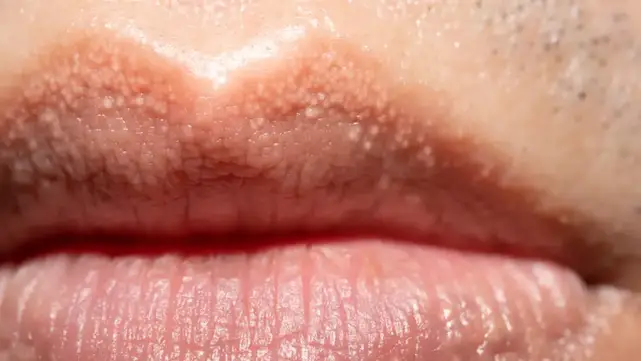
If you have noticed whitish-yellow bumps that suddenly appeared on your lips, inside your cheeks, or on your private parts, fear not. It turns out that these bumps, known as Fordyce Spots by the dermatologist who first described them back in 1896, Dr. John Addison Fordyce, are found at 80 percent of people.

These spots are actually oil glands, called sebaceous glands, that are usually associated with hair follicles, according to Healthline.

They are not itchy, painful, or infectious, but some people mistake them for other conditions, such as certain sexually transmitted diseases or genital warts.

The truth is that Fordyce Spots are present from birth, but they become more visible during and after puberty.


Getty Stock Photo

They are found more at people who have oily skin.

When they appear on the p*nis, they can often resemble conditions such as Molluscum contagiosum, milium cysts, epidermoid cysts, or genital warts or herpes. If you want to be sure, consult a doctor.

Although they are benign and harmless, some people don’t like having them. In such cases, there are treatments available that can help get rid of them.

Some of those treatments, as described by the Cleveland Clinic include:

  • Cryotherapy – freezing and destroying the tissue, such as with the warts.
  • Electrodessication – burning them with special electric needle.
  • Laser skin resurfacing – “using short-pulsed light energy or continuous light beams to remove thin layers of skin with minimal heat damage to the surrounding structures.”
  • Micro-punch surgery – using pen-like instrument to “punch” them.
  • Topical treatments – using topical creams such as retinoids.

 Don’t try picking them or squeezing them yourself as you can cause an infection.

One way to prevent them from appearing or being visible is to stick to a proper skin care routine, such as washing the skin with warm water and mild cleansers or soaps, and using a moisturizer.

Please SHARE this article with your family and friends on Facebook.

Bored Daddy

3 items that must not be saved in one term

by


These terms are incredibly useful for maintaining the temperature of our favorite babies, keeping hot coffee or fresh water cold throughout the day. Resistant and practical, it has been converted into a basic article so that you can easily move it. Sin embargo, no todo cabe en une termo.

Any babies and foods that may damage the term, alter the content of the container or include those that are safe for health. Continuing, we will explore several articles that should be avoided in your term, together with advice to keep it perfect for years.

Three things that must never be saved in one term
1. Milk and milk drinks

Any convenient place to drink hot water or a cremoso de café de voyage, no idea. The milk products can be easily converted into a bacterial culture if they are kept hot for a long time.

This can generate unpleasant odors, unsafe conditions and an interior that is difficult to clean if the residue adheres to the walls.


Tip : If you need to wash it lightly, keep it for a limited time and wash it well immediately after use.

To ensure that your term is maintained efficiently and cleanly, please note these maintenance practices:

Clean it after every use , especially if it contains hot liquids, milk or food contents. Use warm water with a dash of vinegar or a pinch of sodium bicarbonate to clean and deodorize gently.
Afterwards , it will be stored for one hour. This avoids the formation of moisture and bad smells in the interior.
No metal in the washbasin unless the manufacturer specifically indicates that it is safe. Lavavajillas may damage the washing and reduce its performance.
Protejalo de caídas e impactsos , que pueden comprómetro el sello de vacío internalo y reducir su capacidad para retainer el calor o el frio.
A term can be a trustworthy item for today, but only with suitable design and intelligent use. To avoid the milk, the acid juices and the soaps with a lot of water, and make a regular maintenance, at the end it will last a lot of time for innumerable breaks for the coffee and the mothers free

ADVERTISEMENT


Today, I picked up this sweet soul from the shelter. And the moment he sat in the car… he didn’t bark, he didn’t wag, he just looked at me with eyes full of tears.

by


Today, I picked up this sweet soul from the shelter. And the moment he sat in the car… he didn’t bark, he didn’t wag, he just looked at me with eyes full of tears.

I don’t know why he cried. Maybe it was sadness… The sadness of waiting 8 long months behind metal bars, watching other dogs leave while he stayed.

Maybe it was all the nights he curled up alone, wondering if someone had forgotten he existed. Maybe it was confusion leaving the only place he’s known for so long, not sure whether this car ride means love… or another goodbye.
Or maybe… just maybe… those tears were hope finally breaking through the heartbreak. Maybe it was the feeling of a soft seat instead of a cold concrete floor. Maybe it was the warmth of a gentle hand instead of silence. Maybe, for the first time in a long time… he felt chosen.
He’s almost 9 years old, a senior dog. Most people walked past him because of his age. But today… he walked out of that shelter as someone’s dog.
His name isn’t just a tag anymore; it’s a promise. A promise that the rest of his life will be the best of his life.
Whether his tears were sadness or joy… doesn’t matter anymore. Because from today onward, he will never have to wonder if he’s loved.
He is.

A Father’s Love: Celebrating Their First Birthday Without Her

by


In a world where the noise of everyday life can sometimes drown out the most profound emotions, there are moments of silence that speak louder than words. For one father, this moment has arrived on a significant day—his quadruplets’ first birthday. What should be a day of celebration, joy, and  family gatherings is instead marked by an overwhelming emptiness.

Today, this father finds himself alone, with the four most precious gifts of his life in his arms. His wife, who brought these beautiful souls into the world, is no longer with him. She passed away shortly after giving birth, leaving him with the daunting yet profoundly loving responsibility of raising their children by himself. On this momentous occasion, while his babies giggle and play, there has been no phone call, no greeting card, and not a single wish from family or friends. The silence is heavy. The joy of watching his children grow is bittersweet without his wife’s presence beside him.

But despite the void left by her absence, this father is determined to carry on the legacy she left behind. This article is a tribute to his resilience, his love for his children, and the strength that comes from grief and love intertwined. It’s a story of love lost, but also love that will never fade.

The Journey of Fatherhood Alone: Navigating a World of Challenges

ADVERTISEMENT

Raising children is a monumental task for any parent. But for this father, it has been an extraordinary and solitary journey. Each day presents new challenges—both physical and emotional—as he raises quadruplets on his own. The demands are constant: changing diapers, soothing cries, making sure everyone is fed, and navigating the unpredictable rhythms of four babies who rely solely on him for everything.

In addition to the day-to-day parenting duties, he also has his career as a truck driver—a profession that often keeps him on the road for long stretches of time. The long hours and distance between him and his children only add to the weight he carries. Every moment on the road is spent thinking about his children, wondering how they are, and wishing he could be with them more.

Yet, despite the overwhelming nature of it all, this father continues to push forward with unwavering determination. His love for his children fuels him in a way that nothing else can. In the quiet of the night, when the babies sleep and the weight of his grief is most pronounced, he finds solace in the thought of his wife watching over them. His commitment to providing them with a life full of love and opportunity is what sustains him.

Remembering His Wife: A Legacy of Love and Strength

Though she is no longer physically present, his wife’s spirit lives on in every part of their home, every corner of their lives. She was the heart of their family, the one who filled their world with love, care, and warmth. She dreamed of this day—the first birthday of their quadruplets—dreamed of watching them grow into curious, laughing toddlers. Now, her dreams are carried out by this devoted father, who keeps her memory alive in every moment he shares with his children.

Her absence is felt profoundly, especially today. On the children’s birthday, this father can’t help but imagine what it would have been like if she were here to share in the celebration. Her hands would have been the ones to bake the cake, her voice would have been the one to sing the birthday song. But even in her absence, he feels her presence in every giggle and every cry. The love they shared is woven into the fabric of their children’s lives.

As the years pass, this father will continue to tell his children about their mother—the incredible woman who gave them life, who loved them beyond measure, and who will always remain an integral part of who they are. The legacy of her love will forever be etched in their hearts, and he will make sure they know just how special she was.

The Weight of Silence: A Father’s Need for Support

Birthdays are typically a time of joy, a time for  family to come together and celebrate the milestones of life. But today, on his children’s first birthday, this father faces not just the absence of his wife but also the isolation that often accompanies grief. There has been no phone call, no message, no one to share in the joy of this moment with him.

For many people, grief is not something that can be seen on the surface, and often, those who are grieving feel the weight of isolation. The silence that surrounds him is deafening, and it’s a reminder of how alone he truly is. While his children are surrounded by love, he is left to navigate this milestone alone.

But despite the absence of support, he remains strong. He knows that his children need him, and he will continue to give them everything they need—love, care, stability, and protection. He may not have the community support he deserves, but he has his children, and they are all he needs.

Celebrating Their First Year: A Year of Growth, Love, and Resilience

In the face of grief, this father has witnessed the incredible growth and resilience of his children. From their first cries to their first smiles, each milestone has been a testament to their strength and their ability to bring joy to the world. Their first year has been full of challenges, but it has also been a year filled with love and wonder.

This father has watched as his children grew from tiny newborns into little personalities, each with their own unique traits and quirks. He has cherished every moment, knowing that these precious memories are all he will have of their early years. He takes pride in their growth, and each day brings him new joy as he watches them become more independent, more curious, and more full of life.

While the first birthday is filled with sadness, it is also a celebration of how far they have come. The resilience they have shown in their first year is nothing short of inspiring. They are a testament to the strength of their mother’s love and the unwavering devotion of their father.

The Road Ahead: A Father’s Promise to His Children

Looking toward the future, this father is filled with both hope and resolve. While he knows that the pain of losing his wife will never fully go away, he is determined to provide his children with the best possible life. His promise to his wife, even in her absence, is simple: to raise their children with the same love and care she would have given them, and to honor her memory every day.

He knows that there will be difficult days ahead. There will be birthdays where the weight of loss is almost too much to bear. There will be milestones his wife won’t be there to see. But through it all, he will keep going—for his children, for his wife, and for the future they will build together.

This father’s love for his children is unshakable. And while the road ahead may be difficult, he knows that with each step, he will be honoring the love that his wife gave them. The journey may be hard, but it will always be filled with love.

The Love That Endures

As the day draws to a close, this father reflects on the first birthday of his quadruplets. Despite the overwhelming grief and isolation, he knows one thing for sure: his love for his children will never waver. They are his heart, his purpose, and his reason to keep moving forward.

Though today is difficult, it is also a reminder of the incredible strength of the human heart—the ability to love even in the face of loss. This father has not only survived the unimaginable, but he has also thrived in a way that only the purest love can allow. His children are his legacy, and he will continue to honor the love that brought them into the world, one day at a time.

ADVERTISEMENT